
Community care
Whole-person support for communities that need our help.
InnerVital™ is building a community-clinic pathway for underserved Chicago neighborhoods where residents may be facing layered burdens: pain, chronic stress, recovery stress, trauma exposure, grief, low mood, poverty, unsafe environments, poor sleep, and limited access to care that feels trustworthy, consistent, and human.
Care should meet people with dignity, practical support, and clear expectations — not judgment.
Why this matters
Health is shaped by more than symptoms.
In communities such as Austin, Englewood, Garfield Park, North Lawndale, Roseland, South Shore, and other South and West Side neighborhoods, many residents are navigating a daily environment shaped by trauma exposure, financial pressure, grief, unstable access to care, and commercial messages that can normalize unhealthy coping. InnerVital’s role is not to judge the community. It is to bring respectful support closer to people who deserve more options.
Chicago’s own public-health planning has emphasized health equity, community partnerships, and action around the conditions that contribute to avoidable differences in life expectancy, including chronic disease, violence prevention, substance use, mental health, and related social conditions.
A respectful starting point
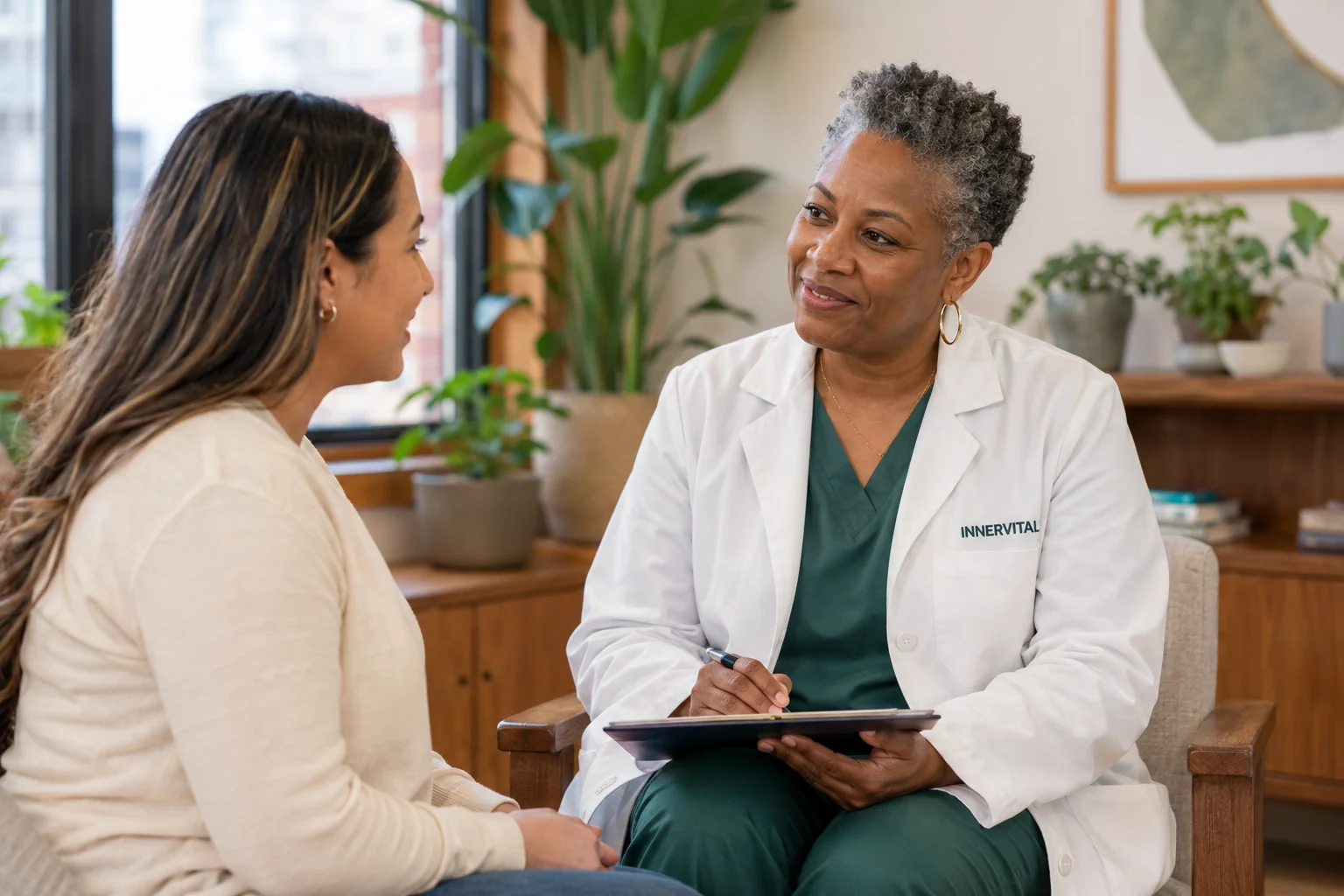
We do not describe neighborhoods by their challenges alone. These communities also have families, faith leaders, teachers, entrepreneurs, organizers, recovery advocates, clinicians, elders, and young people who are already working for healing. InnerVital™ wants to support that work with practical care access.
The lived reality
Where supportive care can make a practical difference.
Recovery stress and support routines
People navigating recovery-oriented routines often need practical, nonjudgmental support for stress, sleep disruption, pain, grief, and nervous-system regulation alongside appropriate medical and behavioral-health care.
Trauma exposure, grief, and chronic stress
Violence exposure, loss, poverty, discrimination, and institutional distrust can keep the body in survival mode. Care must feel safe, culturally respectful, and easy to enter.
Pain and medication concerns
Chronic pain can limit work, mobility, sleep, parenting, and hope. Residents deserve access to non-pharmacologic supportive options when clinically appropriate.
Poverty and access barriers
Transportation, insurance rules, time away from work, childcare, and out-of-pocket cost can block care. Community clinics must be practical, affordable, and built with local partners.
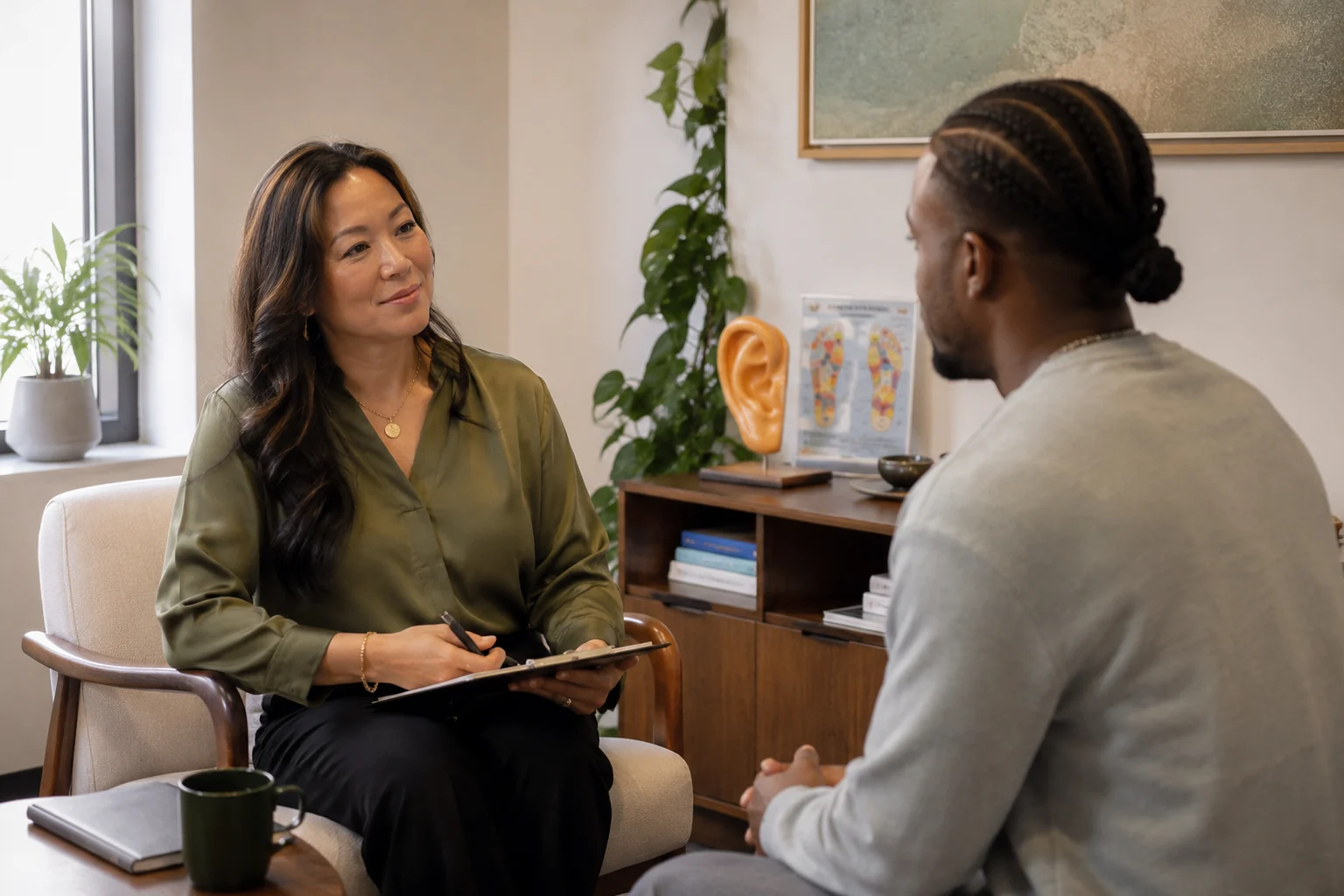
Recovery support without stigma.
For people navigating recovery stress, trauma exposure, grief, sleep disruption, or chronic pain, the first requirement is a care environment that feels safe. InnerVital™ can support regulation, education, and referral awareness without replacing medical, psychiatric, detox, or crisis care.
How InnerVital helps
A model built around access, dignity, and empowerment.
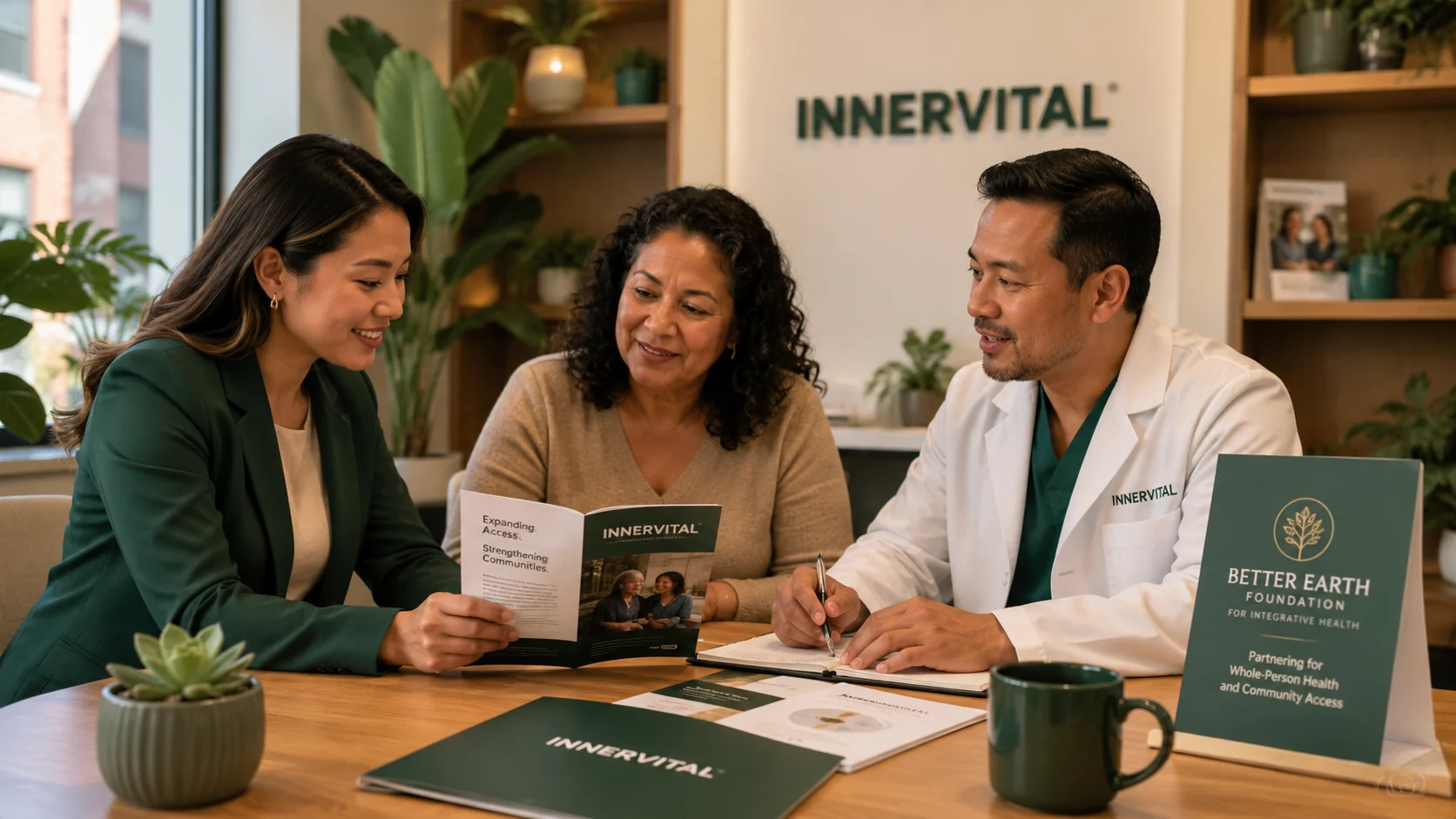
InnerVital™ community clinics are intended to create an entry point into whole-person support that is easier to trust and easier to use. The model begins with acupuncture and Traditional Chinese and East Asian Medicine, then adds safety screening, referral awareness, care coordination, and partnerships with organizations already serving the neighborhood.
- Neighborhood-based or partner-hosted clinic days.
- Acupuncture, NADA ear acupuncture, Tuina, Medical Qigong, self-care education, and lifestyle support when appropriate.
- Medicaid-aware verification and billing for covered services when available.
- Better Earth Foundation subsidies for care gaps, group education, and community access programs.
- Referral relationships with behavioral-health, substance-use recovery, primary-care, hospital, and social-service partners.
Community clinic offerings
Services that can work in trusted neighborhood settings.
Each program will depend on provider availability, license, scope, clinical appropriateness, payer rules, community partner needs, and operational readiness.
NADA ear acupuncture / auricular support
Low-barrier auricular acupuncture sessions designed for quiet, group-capable support in recovery, stress, and trauma-informed settings when clinically appropriate.
Pain, function, and recovery sessions
Supportive acupuncture and manual-therapy pathways for pain, mobility, muscle tension, and recovery goals with careful screening and realistic expectations.
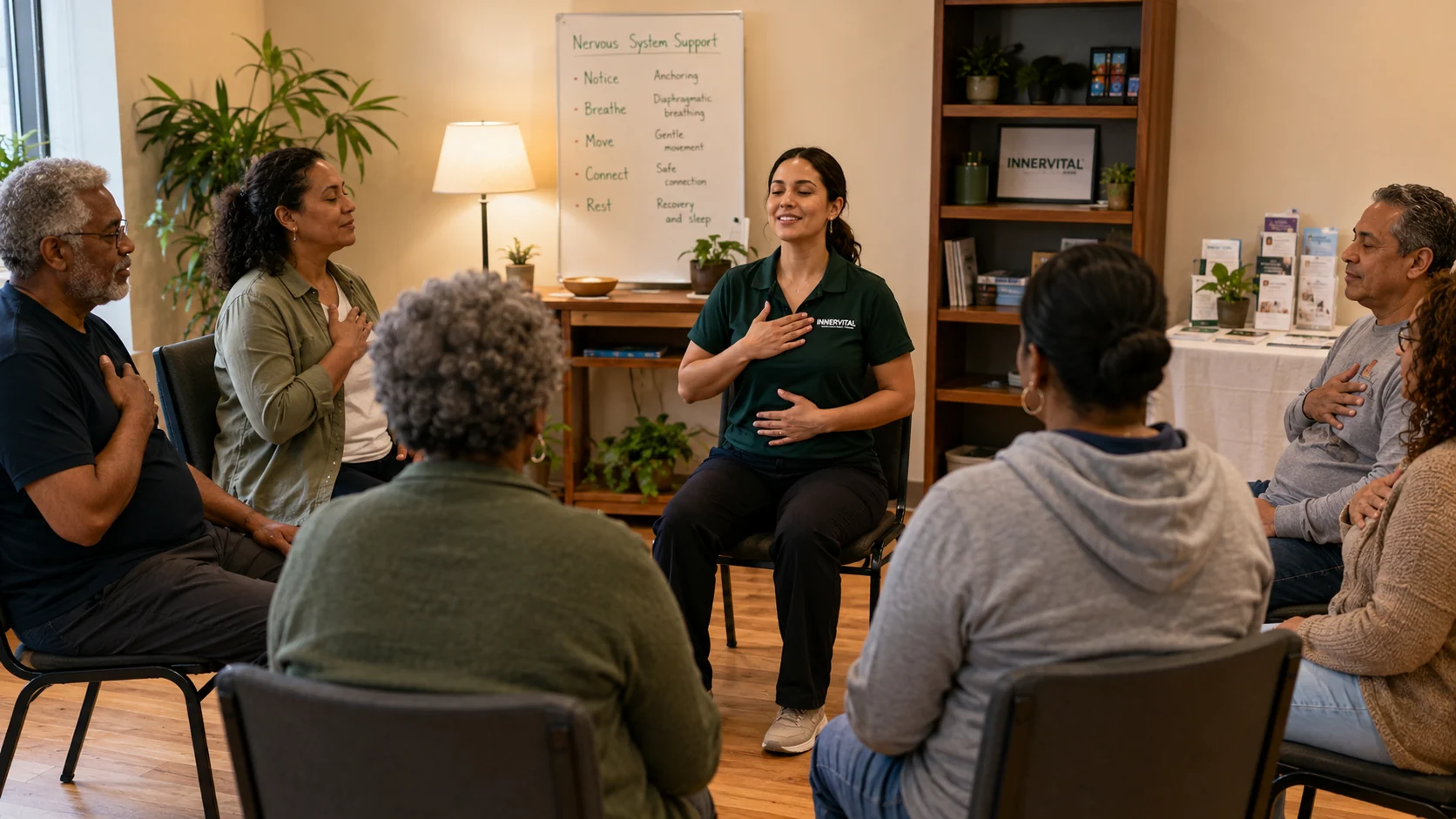
Medical Qigong and self-regulation classes
Breath, posture, gentle movement, and awareness practices that patients can carry home and use between visits as a practical self-care routine.
Trauma-informed intake and referral awareness
A calm intake process, clear boundaries, and referral pathways when someone needs mental-health, primary-care, social-service, detox, or emergency support.
Family and caregiver education
Simple education on stress, sleep, recovery routines, food patterns, and supportive home practices without blaming the patient or family.
Community partner clinic days
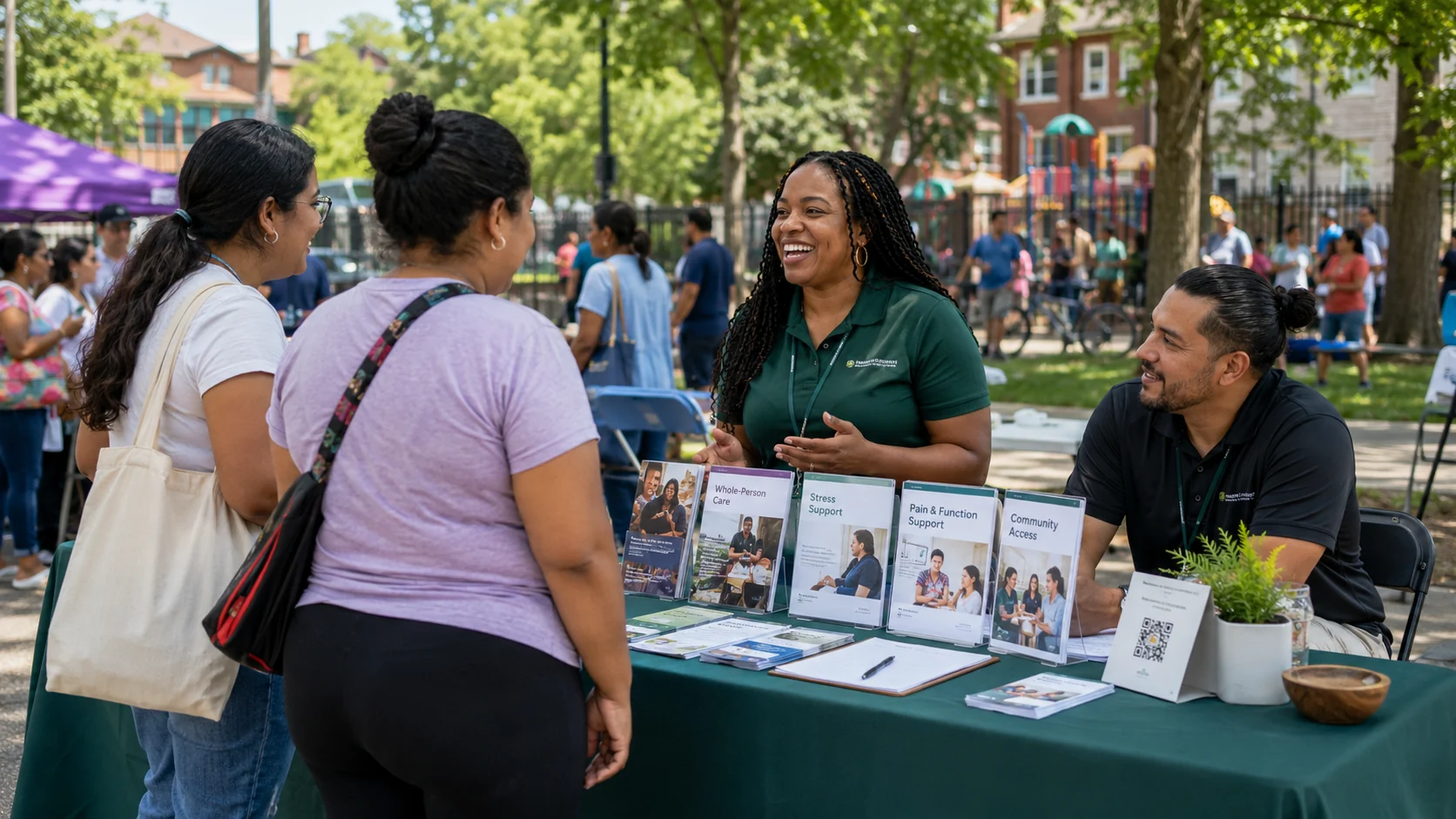
Pop-up, mobile, or co-located care days with churches, nonprofits, recovery organizations, shelters, schools, employers, and local health partners.
Funding and access model
Medicaid plus philanthropy can make supportive care more accessible.
For eligible services, Medicaid may cover part of the cost depending on diagnosis, provider enrollment, payer rules, medical necessity, and clinical documentation. Better Earth Foundation can help subsidize services that are not covered, not fully reimbursed, or delivered through community programs where the resident cannot reasonably pay.
Coverage is never guaranteed. InnerVital™ must verify payer rules, provider enrollment, service eligibility, documentation requirements, and medical necessity before representing that any service is covered.
Austin, Englewood, and beyond
Build trust, restore access, and support community resilience.
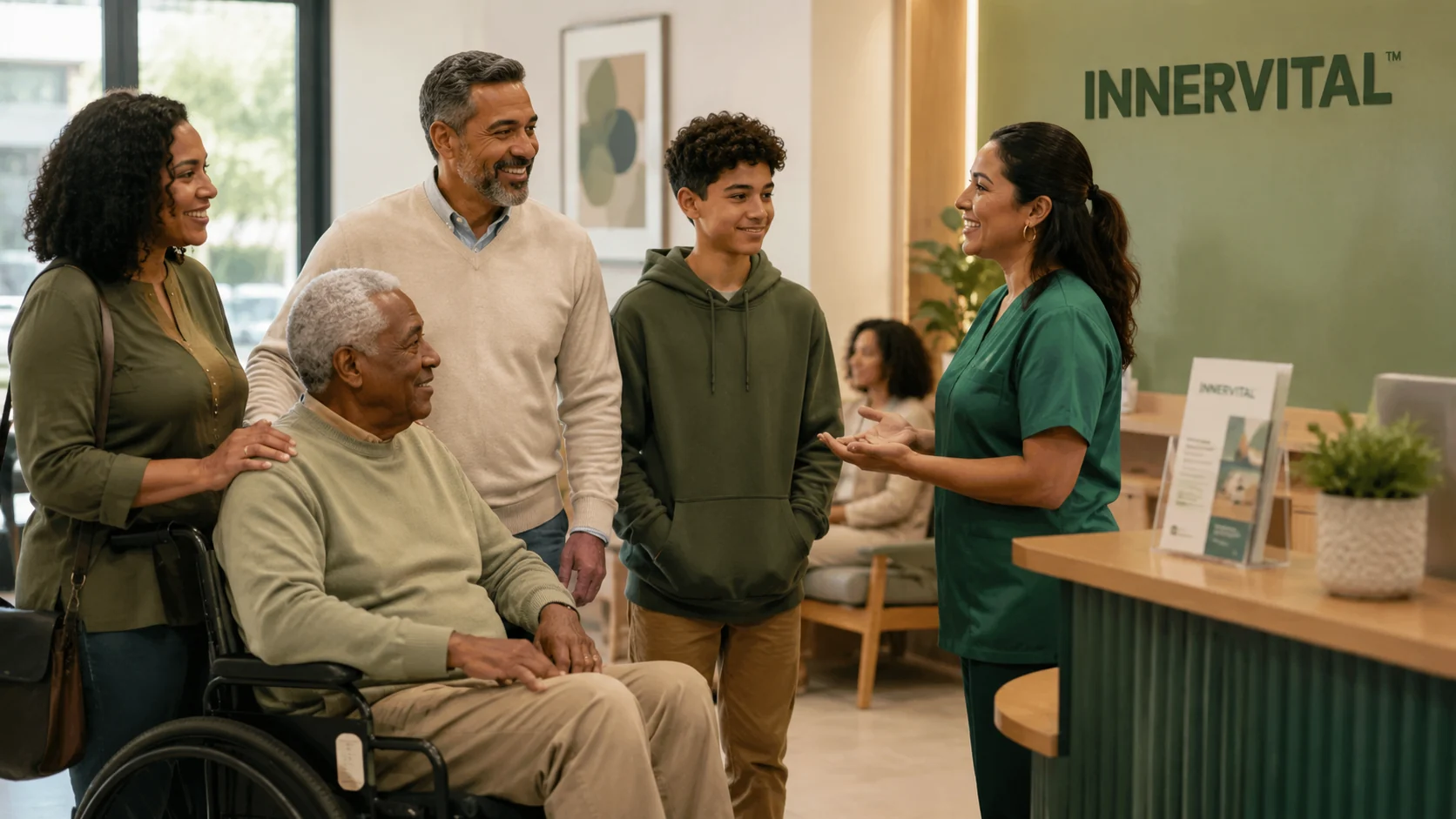
Before launching a community clinic, InnerVital™ listens and works with neighborhood leaders, residents, pastors, recovery organizations, social-service agencies, school leaders, local clinicians, and violence-prevention teams. The right model may be a storefront clinic, a partner-hosted day, a mobile care program, or a sponsored group education series.
Community partnership model
- Listen first to residents and trusted neighborhood leaders.
- Start with pilots that are small enough to manage and measure.
- Use clear eligibility, consent, referral, privacy, and safety rules.
- Train practitioners in trauma-informed communication and community respect.
- Measure attendance, engagement, referrals, patient-reported support, and program sustainability.
Build the access layer
Help make whole-person care available where it is needed most.
InnerVital™ community work is strongest when clinics, nonprofits, donors, employers, faith leaders, and neighborhood organizations work together. Better Earth Foundation for Integrative Health can help fund education, access subsidies, research-aligned pilots, and community programs that make responsible integrative care more reachable.